

Safeguarding
Safeguarding at Fender
Safeguarding and promoting the welfare of children is everyone’s responsibility. We are fully committed to ensuring that consistent and effective safeguarding procedures are in place to support families, children, and staff at our school.
We uphold our duty to safeguard and promote the welfare of all pupils by:
- Providing a safe, secure, and nurturing environment where children feel valued and respected
- Maintaining a strong safeguarding culture underpinned by vigilance, professional curiosity, and timely action
- Ensuring all staff and volunteers are safely recruited, well-trained, and understand their roles and responsibilities
- Teaching pupils how to stay safe, including when online, and encouraging them to speak up about anything that worries them
- Working in partnership with parents, carers, and external agencies to safeguard and promote the wellbeing of every child
We follow national and local safeguarding guidance.
All concerns are recorded, taken seriously, and acted upon promptly.
Our Designated Safeguarding Lead (DSL) is Charles Hewitt, and they are supported by a trained team of Deputy Designated Safeguarding Leads. If you have any concerns about a child’s welfare, please speak to a member of the safeguarding team immediately.
Please see the ‘Our Safeguarding Team’ tab for more information about who you can speak to if you are worried about someone at Fender.
Our full safeguarding and child protection policy can be accessed at our Policies page.
Staying Safe
You can speak to any adult at Fender and they will help keep you safe.
The person you sppeak to will inform one of the adults from our Safeguarding Team.
Integrated Front Door – 0151 606 2008
Local Police – 101 or 0151 709 6010
Our Safeguarding Governor is Hannah Yarranton
Our Safeguarding Team

Mr Hewitt
Designated Safeguarding Lead

Miss Ellis
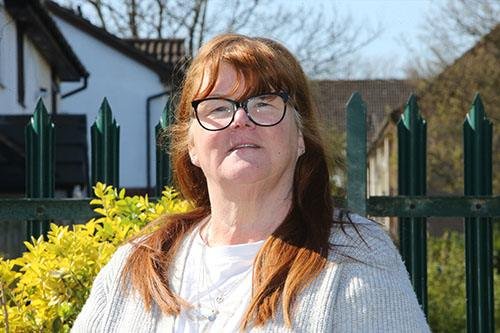
Mrs Cain

Mrs Anderson

Miss Orr

Mrs Lee
Deputy Designated Safeguarding Lead
Online Safety
What We Teach
Through our computing and PSHE curriculum, children learn about:
- Staying safe online and protecting personal information
- Recognising inappropriate content and managing peer pressure
- Cyberbullying and digital kindness
- Reporting concerns to trusted adults
- Age-appropriate use of apps, websites and gaming platforms
We also teach pupils how to critically evaluate what they see online, helping them to become aware of risks like fake news, scams, or harmful content.
AI Safety and Awareness
With the growing popularity of AI tools such as chatbots, image generators, and learning assistants, we are helping children understand how to use AI thoughtfully and safely. We discuss:
- What AI is and how it works in simple terms
- How to recognise that not all information provided by AI is accurate or appropriate
- Why it’s important to keep personal information private, even when interacting with AI
- How to use AI ethically and responsibly
- The importance of adult supervision when exploring new tools
We encourage critical thinking and make it clear that while AI can be useful, it must be used with care, and children should always talk to an adult if they’re unsure about something they’ve seen or used online.
Parental Support / Useful Websites
We work in partnership with parents and carers to promote safe use of the internet at home as well as at school. Below are some trusted websites to help families stay informed and support children in making safe online choices:
- www.thinkuknow.co.uk – a fantastic site from CEOP with advice for different age groups and parents.
- www.nspcc.org.uk/keeping-children-safe/online-safety – guidance from the NSPCC including setting up parental controls and talking to your child about online risks.
- www.internetmatters.org – practical tips for managing screen time, online gaming and social media use.
- www.parentzone.org.uk – support for families navigating the digital world, including updates on new platforms and technologies.
- www.childnet.com/parents-and-carers – clear information on how to support your child with safe and responsible internet use.
We encourage all families to talk openly with their children about their online activity, model positive digital habits, and reach out to us if they have any concerns or questions. Working together, we can help children enjoy the benefits of technology while staying safe, respectful and in control.
