

Our Forest School
Our Forest School
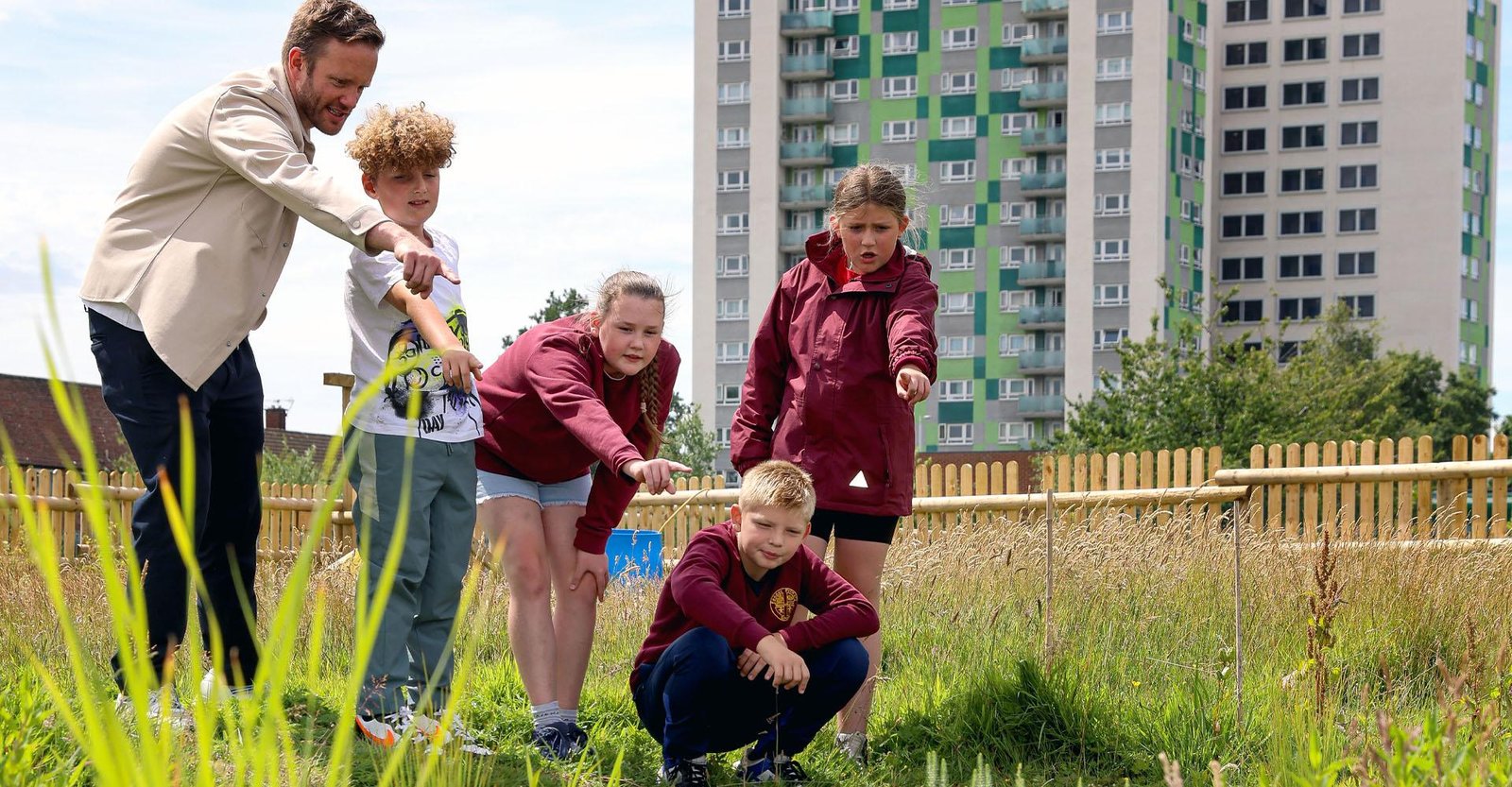
What was once a boggy, underused two-acre playing field has been transformed into something truly special. Since February 2025, our school community – children, families, staff, and local volunteers – have come together to plant over 3,500 trees, dig a thriving pond, and sow a stunning wildflower meadow. The result is a rich, ever-evolving habitat that is now buzzing with life and bursting with learning opportunities.
Forest School at the Heart of Our Curriculum
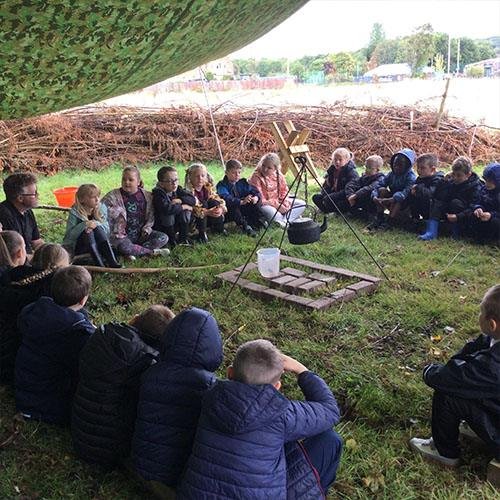
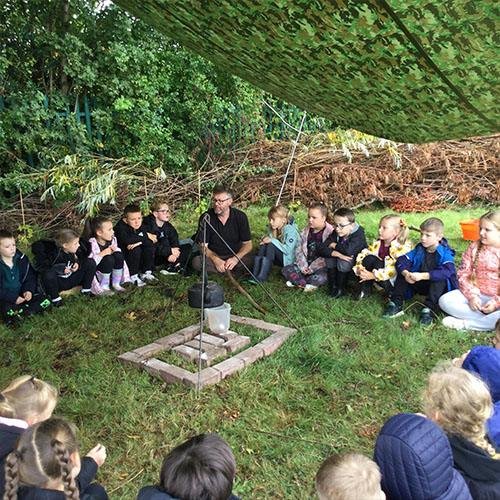
Outdoor learning is not an add-on at our school – it is a core part of how we teach, learn, and grow. Every week, children take part in Forest School sessions led by a qualified local forest school practitioner. These sessions inspire curiosity, build resilience, and nurture a deep connection with the natural world.
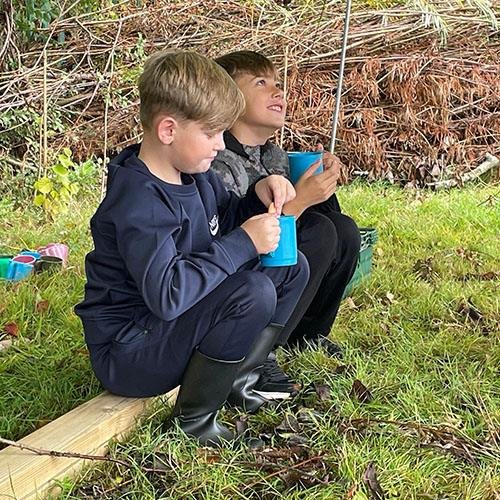
From fire lighting and den building to pond dipping and minibeast hunts, Forest School gives our children meaningful hands-on experiences that support their personal development, emotional wellbeing, and academic achievement.
Community Roots, National Impact
Our Forest School is more than a local project – it’s part of a broader movement to reimagine what education can look like. We are proud to be working with the Chartered College of Teaching on action research projects exploring the impact of outdoor learning. Additionally, our Eco Council lead annual biodiversity studies to monitor and celebrate the natural life living in our Forest School.
A Living Legacy
This space is a living, breathing classroom – one that will continue to grow for generations to come. Our Forest School embodies our values of sustainability, inclusivity, and community. It’s a space where every child can explore, discover, and thrive.
We invite you to follow our journey as we continue to nurture this incredible environment, empowering our children to become the eco-leaders and changemakers of the future.
Thank Yous
Our Forest School would not have developed so quickly without the support of Mersey Forest, the Tree Council, the Woodland Trust, Tree Appeal and a variety of extremely generous local nurseries.
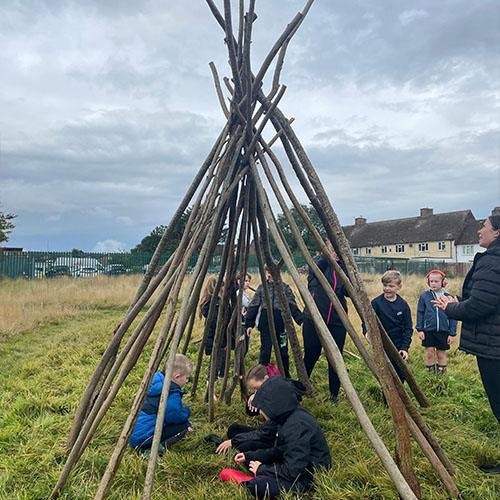
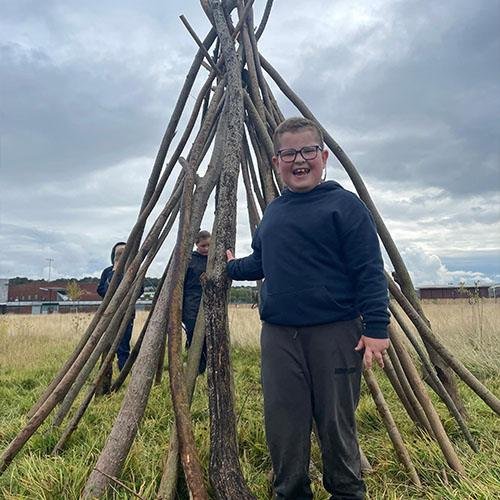
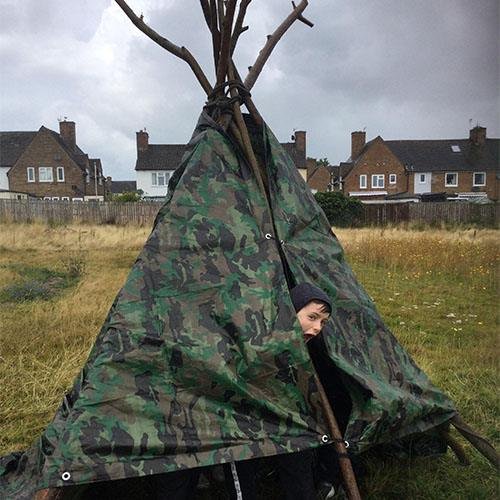
Biodiversity Study – Year 0 (Baseline)
Site Overview
- Location: Fender Primary school field
- Size: Approximately two acres (approx. 8,100m²)
- Current Land Use: Previously unused or mown grassland
- Habitat Type: Managed grass with limited structural diversity
- Surroundings: urban and residential with some additional football fields running parallel
Purpose of Study
To provide a baseline biodiversity assessment of the current field and identify opportunities for habitat creation and species diversification as part of a long-term rewilding or forest school project.
Survey Findings
Overall Biodiversity Rating
Very Low
- Limited vertical structure
- Minimal species richness
- No water source, shelter, or food variety
- Poor connectivity with surrounding ecosystems
Next Steps
- Develop a phased rewilding and planting plan – February 2025 will see the planting of over 3,000 trees.
- Establish monitoring schedule.
- Involve pupils in surveys (pollinator counts, bug hunts, etc.)
- Create visual maps and habitat logs to track impact over time
Summary
This field currently supports very low biodiversity due to its monoculture grassland, lack of varied plant species, absence of water or tree cover, and minimal habitat structure. However, it presents a huge opportunity for transformation into a thriving, nature-rich space that can support local ecosystems, enhance learning, and boost wellbeing for the school community.
